
A thinning, patchy lawn isn’t a lost cause, overseeding is often all it takes to bring it back to full, thick coverage.
Even a well-maintained lawn thins out over time. Grass plants naturally age, foot traffic compacts soil, and disease, pests, or a rough summer can leave bare or sparse patches behind. Overseeding, spreading new grass seed directly into an existing lawn, is one of the most effective and affordable ways to restore thickness and crowd out weeds without starting completely from scratch. Here’s how to know when it’s time, and how to do it well.
What Exactly Is Overseeding?
Overseeding means spreading grass seed over an already-established lawn, rather than tearing it out and starting over. The new seedlings fill in thin or bare areas, increase overall density, and can even introduce more resilient, disease- or drought-resistant grass varieties into an older lawn. It’s a maintenance step most healthy lawns benefit from every few years, not just a repair for damaged ones.
Sign 1: Visible Thinning or Bare Patches
If you can see soil between grass blades, especially in high-traffic areas like along a regular walking path or near a gate, your lawn’s density has dropped below what it should be. A healthy, dense lawn should have grass blades close enough together that very little bare soil is visible from a standing view.
Sign 2: Increasing Weed Pressure
Weeds are opportunists, they move into bare or thin soil far more readily than they invade a dense, healthy lawn. If you’ve noticed a creeping increase in weeds over the past couple of seasons, even with regular weeding, it’s often a symptom of thinning turf rather than a weed problem on its own. Overseeding to thicken the lawn is frequently a more lasting fix than repeated weed removal.
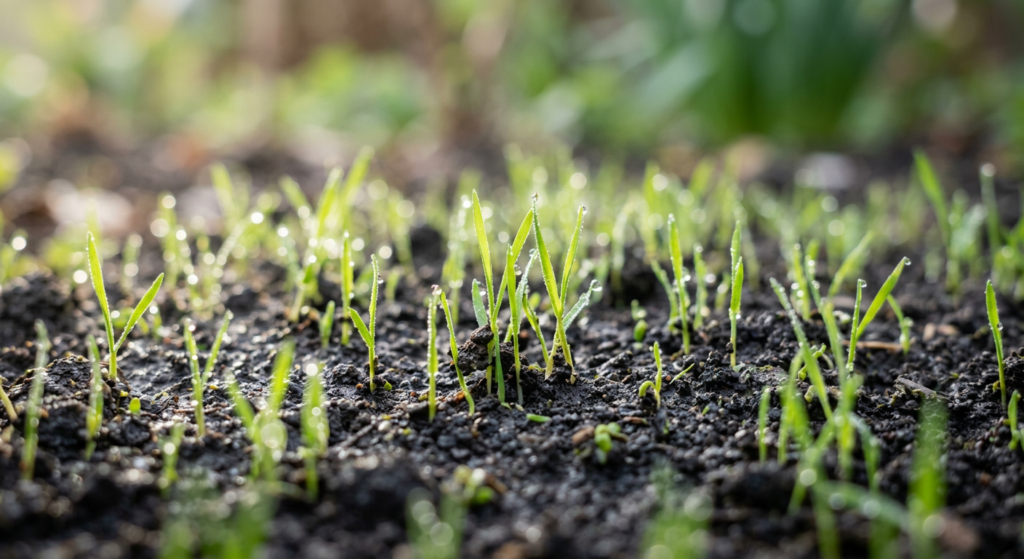
Sign 3: Grass That Looks Tired or Dull Compared to Past Years
Lawns naturally decline in vigor as individual grass plants age, particularly cool-season grasses like Kentucky bluegrass and perennial ryegrass, which tend to have shorter productive lifespans than some warm-season varieties. If your lawn looked noticeably fuller and greener a few years ago despite consistent care, general aging and thinning, rather than a specific problem, is often the cause.
Sign 4: Damage From Disease, Pests, or Heavy Use
A lawn that’s recovered from a fungal outbreak, grub damage, or a summer of heavy foot traffic (think kids, pets, or a backyard gathering) often needs a boost to fill back in fully on its own. Overseeding speeds up recovery considerably compared to waiting for existing grass to spread and fill gaps naturally, which can take multiple seasons.
Sign 5: You Want a More Resilient Lawn
Even a lawn without obvious problems can benefit from overseeding if you’re looking to introduce improved grass varieties, ones bred for better drought tolerance, disease resistance, or color. Blending newer cultivars into an established lawn through overseeding is a common way lawn professionals gradually upgrade turf quality over time without a full renovation.
When to Overseed
Timing depends on your grass type. For cool-season grasses (fescue, bluegrass, ryegrass), early fall is widely considered the ideal window: soil is still warm from summer, which speeds germination, while cooler air temperatures reduce stress on new seedlings and weed competition is lower than in spring. Early spring is a secondary option if fall was missed. For warm-season grasses (Bermuda, zoysia, St. Augustine), late spring to early summer, once the grass is actively growing, is the better window.
How to Overseed Successfully
1. Mow shorter than usual. Cut your lawn slightly lower than normal and remove the clippings, so new seed makes good contact with the soil rather than sitting on top of existing grass blades.
2. Address bare or compacted areas first. If your soil is compacted, core aeration before overseeding significantly improves seed-to-soil contact and germination rates. Renting an aerator or hiring a service for this step often makes a noticeable difference in results.
3. Choose the right seed. Match the seed type to your existing lawn and your region’s climate, and consider a blend if you’re aiming to improve disease resistance or drought tolerance rather than simply matching what’s already there.
4. Spread seed evenly. Use a broadcast or drop spreader for even coverage, following the seeding rate on the product label, since over-applying seed can lead to overcrowding and increased competition among seedlings.
5. Keep the soil consistently moist. This is the step most likely to determine success or failure. New seed needs consistent moisture, often light watering once or twice a day, until it germinates, which typically takes 5 to 14 days depending on the grass species and conditions.
6. Hold off on regular mowing and heavy foot traffic. Wait until new grass reaches about 3 inches tall before mowing for the first time, and try to keep pets and heavy foot traffic off the area while seedlings establish.
Final Thoughts
A thinning lawn isn’t something you have to live with, or tear out and replace entirely. Watch for bare patches, rising weed pressure, and general dullness compared to past seasons, then time your overseeding to your grass type and follow through with consistent watering afterward. Done right, overseeding is one of the most cost-effective lawn improvements available, often transforming a tired, patchy lawn into a thick, healthy one within a single season.
-
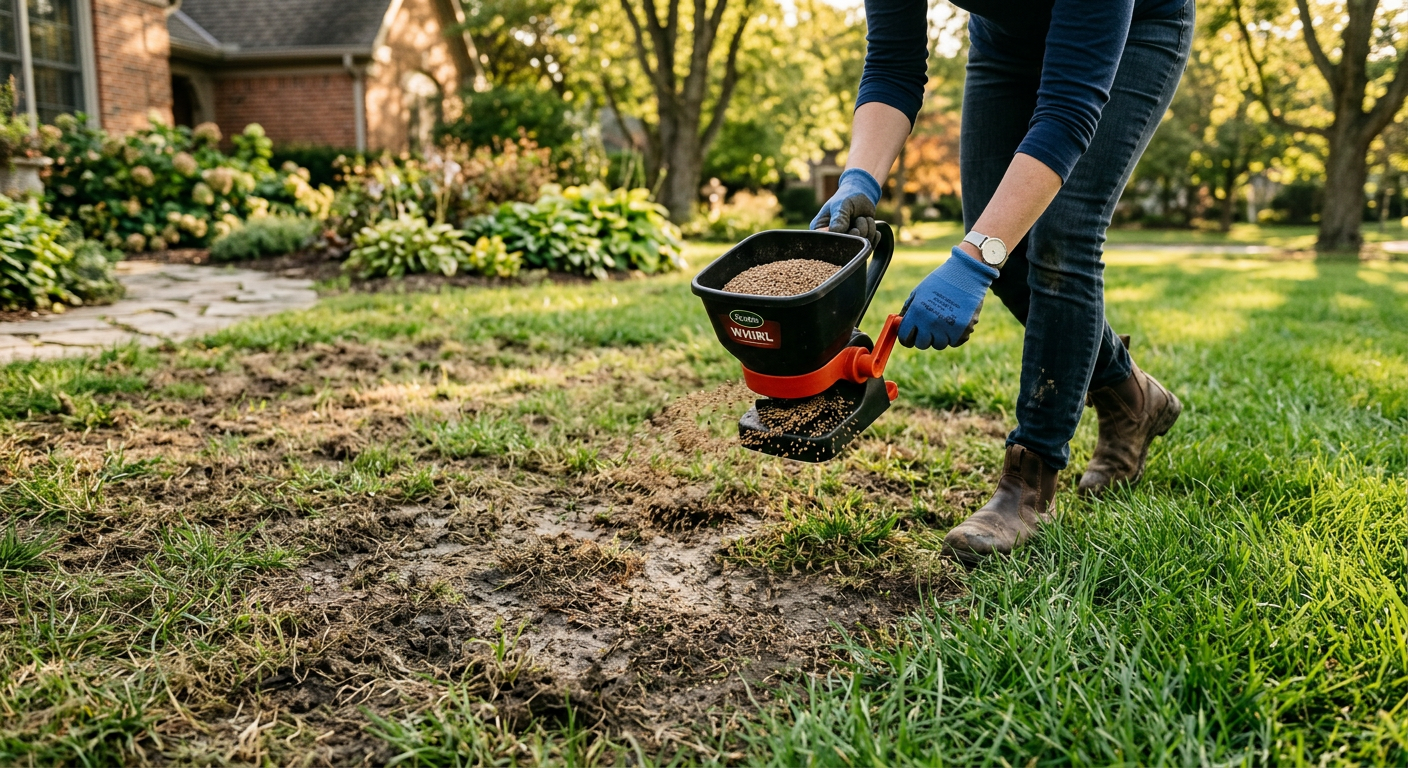
5 Signs Your Lawn Needs Overseeding (and How to Do It)
A thinning, patchy lawn isn’t a lost cause, overseeding is often all it takes to…
-
How Often Should You Really Water Your Lawn? A Season-by-Season Guide
The difference between a lush lawn and a stressed, patchy one often comes down to…
-
A Beginner’s Guide to Pruning: When and How to Cut Without Killing Your Plants
Pruning looks intimidating until you understand the basic rules, then it becomes one of the…

Leave a Reply