
The difference between a lush lawn and a stressed, patchy one often comes down to when and how much you water, not just how often.
Few lawn care questions cause more confusion than watering. Water too little and grass turns brown and thin; water too much or too often and you invite shallow roots, fungal disease, and wasted water. The right approach isn’t a fixed number of minutes each day, it depends on your grass type, soil, and the season. Here’s how to actually get it right.
The Core Principle: Deep and Infrequent
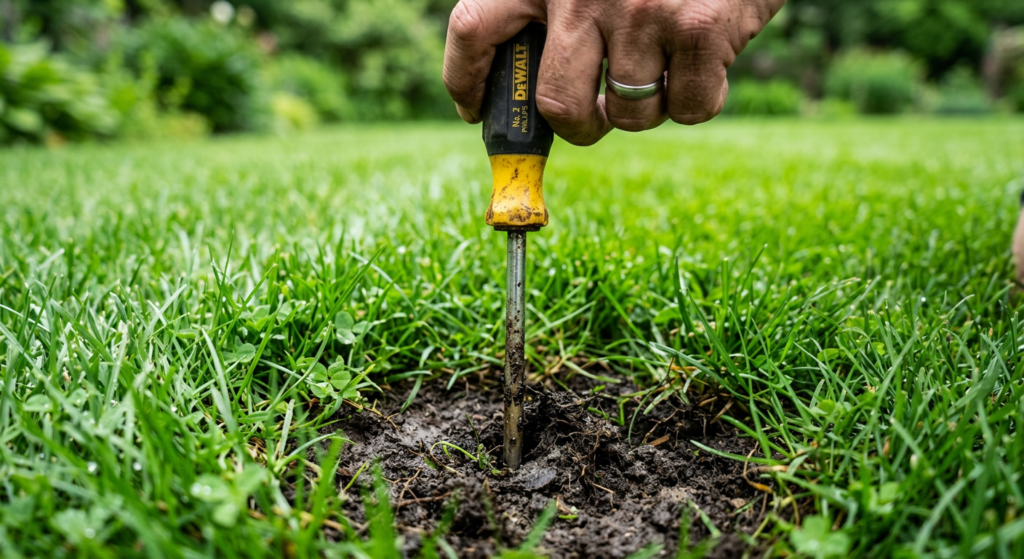
Most lawn care experts agree on one central rule: water deeply and infrequently rather than shallowly and often. A light daily sprinkle only wets the top inch or so of soil, encouraging grass roots to stay near the surface where they’re more vulnerable to heat and drought stress. Watering deeply, so moisture reaches 6 to 8 inches down, encourages roots to grow deeper in search of that water, producing a lawn that’s naturally more resilient to hot, dry stretches.
As a general starting point, most lawns need about 1 to 1.5 inches of water per week, whether from rainfall or irrigation, delivered in one or two sessions rather than spread across daily light waterings.
How to Measure What You’re Actually Applying
Guessing at watering time is unreliable, since sprinkler output varies widely. Place a few empty tuna cans or a rain gauge around your lawn while running your sprinkler, and time how long it takes to collect about half an inch of water. That tells you how long to run your system for a single deep watering session, and you can repeat it once or twice a week depending on rainfall.
Spring Watering
In spring, cool temperatures and natural rainfall often provide enough moisture on their own, especially for cool-season grasses like Kentucky bluegrass and fescue, which are actively growing and thriving in this milder weather. Check the soil before watering; if the top few inches are still moist from rain, hold off. Overwatering in spring, when the ground is already saturated, is a common cause of fungal lawn diseases.
Summer Watering
Summer is when watering matters most, and mistakes are most costly. Water early in the morning, ideally between 6 and 10 a.m., when temperatures are cooler and wind is calmer, minimizing evaporation loss. Watering in the evening leaves grass damp overnight, creating ideal conditions for fungal disease. Watering in the heat of midday, meanwhile, loses much of the water to evaporation before it ever reaches the roots.
During hot, dry stretches, warm-season grasses (like Bermuda and zoysia) generally need less supplemental water than cool-season grasses, which tend to go semi-dormant and brown in extreme summer heat as a natural survival strategy rather than a sign of damage.
Fall Watering
As temperatures cool, most lawns need less frequent watering, though fall is still an important time to keep grass properly hydrated, especially if you’ve recently overseeded or aerated, since new grass seedlings need consistent moisture to establish strong root systems before winter.
Winter Watering
In most climates, dormant lawns need little to no supplemental watering during winter. In warmer, drier regions where grass doesn’t fully go dormant, an occasional deep watering during extended dry spells can prevent excessive stress, but frequent winter watering is rarely necessary and can even encourage disease in cooler temperatures.
Signs You’re Watering Correctly
A well-watered lawn should spring back within a few seconds after you walk across it, rather than leaving visible footprints that linger. The grass should have a consistent green color without patches of yellowing or wilting, and digging down a few inches after watering should reveal moist (not soggy or bone-dry) soil.
Signs You’re Overwatering
Persistent sogginess, a spongy feel underfoot, visible fungus or mushrooms, and yellowing grass despite regular watering are all signs of overwatering. Overwatered lawns are also more prone to shallow, weak root systems and increased weed pressure, since many weeds thrive in consistently moist soil.
Signs You’re Underwatering
Grass that takes on a dull, blue-gray tint, footprints that stay visible long after you’ve walked across the lawn, and soil that’s dry and hard several inches down are all signs your lawn needs more water. Localized brown patches, especially in areas that dry out faster like slopes or spots near pavement, often point to uneven irrigation coverage rather than a lawn-wide problem.
Adjusting for Your Soil Type
Sandy soil drains quickly and may need more frequent (though still deep) watering sessions, since it holds less moisture between waterings. Clay soil drains slowly and holds water longer, but is prone to runoff if water is applied too fast; watering in shorter cycles with breaks in between (a technique called “cycle and soak”) helps clay soil absorb water fully rather than pooling on the surface and running off.
Final Thoughts
There’s no single watering schedule that works for every lawn. Pay attention to your grass type, your soil, the season, and the signals your lawn is already giving you, footprint bounce-back, color, and soil moisture a few inches down. Water deeply, water in the morning, and let the lawn’s own signs guide your schedule rather than sticking rigidly to a fixed daily routine.
-
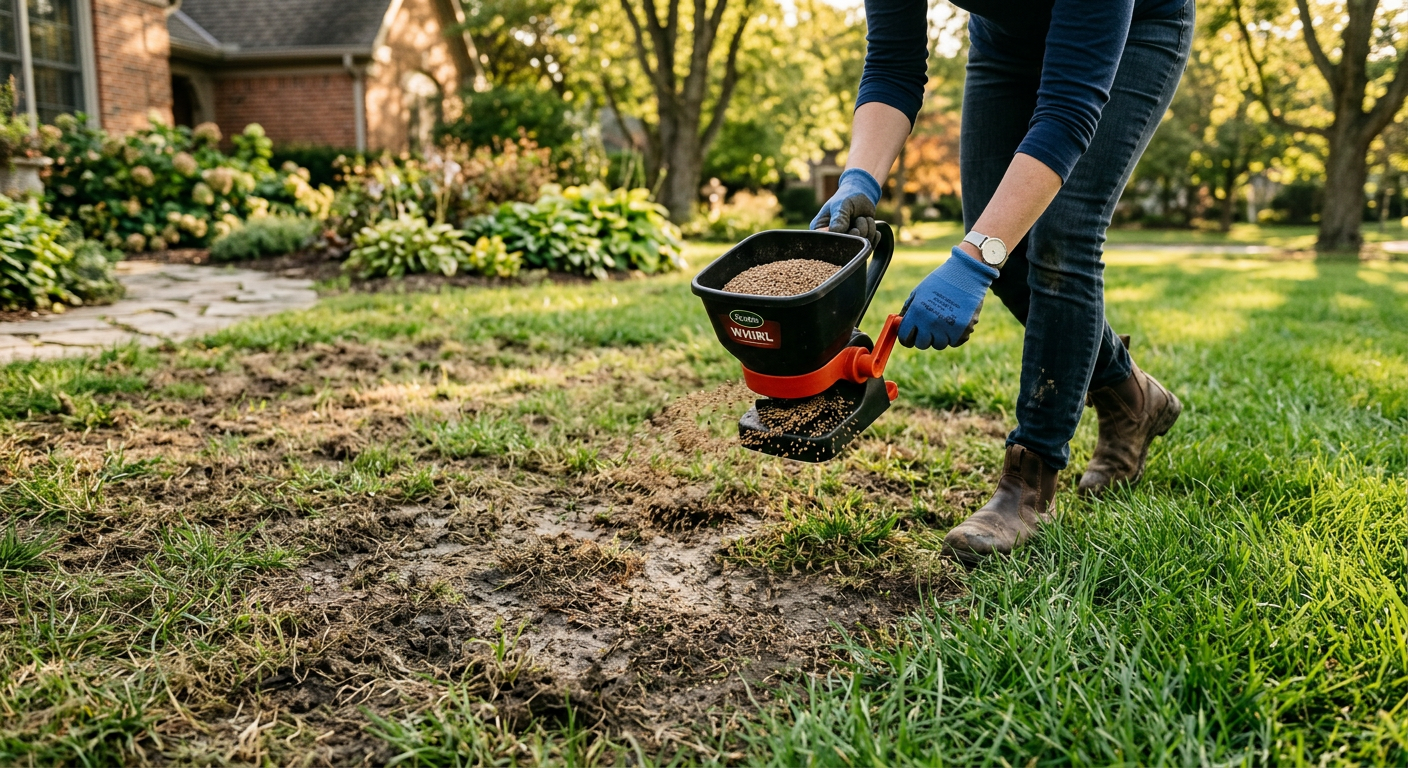
5 Signs Your Lawn Needs Overseeding (and How to Do It)
A thinning, patchy lawn isn’t a lost cause, overseeding is often all it takes to…
-
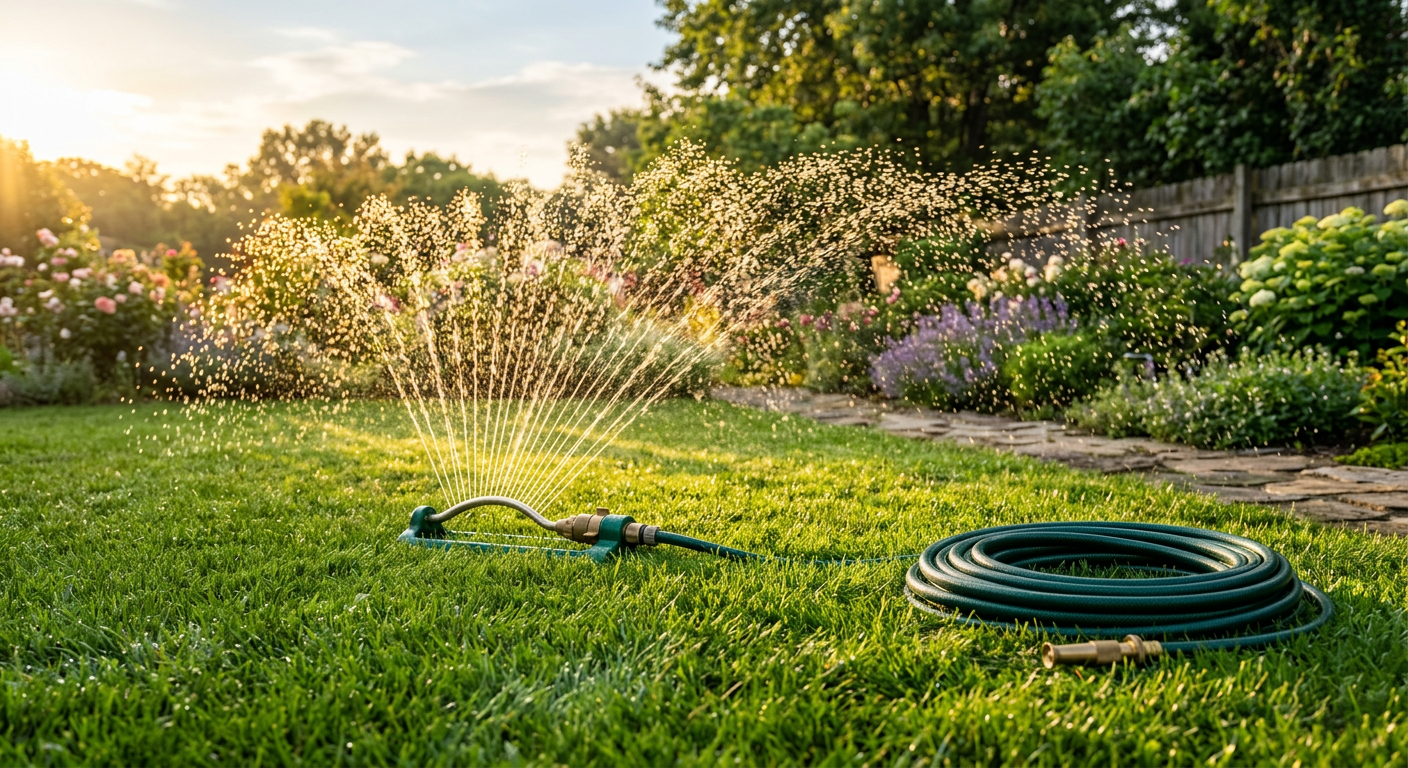
How Often Should You Really Water Your Lawn? A Season-by-Season Guide
The difference between a lush lawn and a stressed, patchy one often comes down to…
-
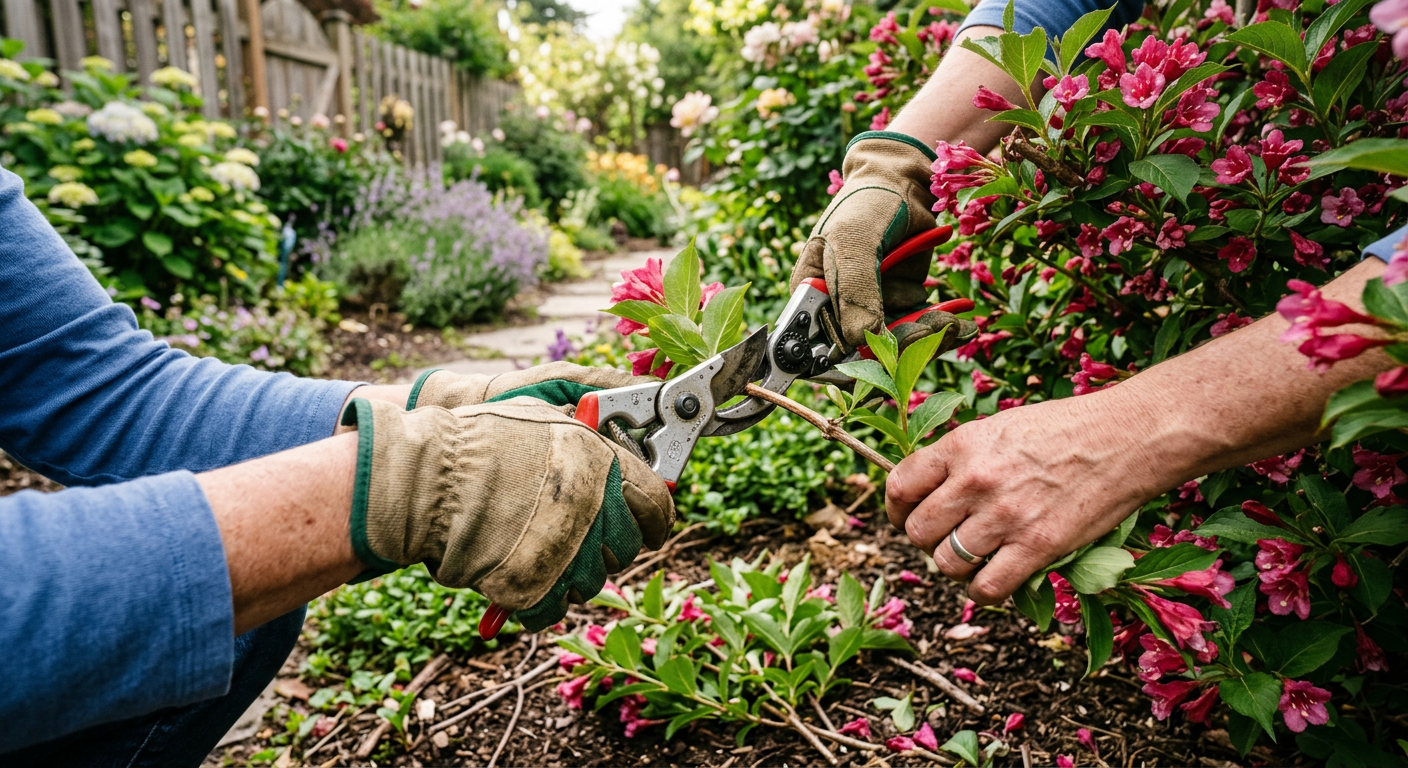
A Beginner’s Guide to Pruning: When and How to Cut Without Killing Your Plants
Pruning looks intimidating until you understand the basic rules, then it becomes one of the…

Leave a Reply