
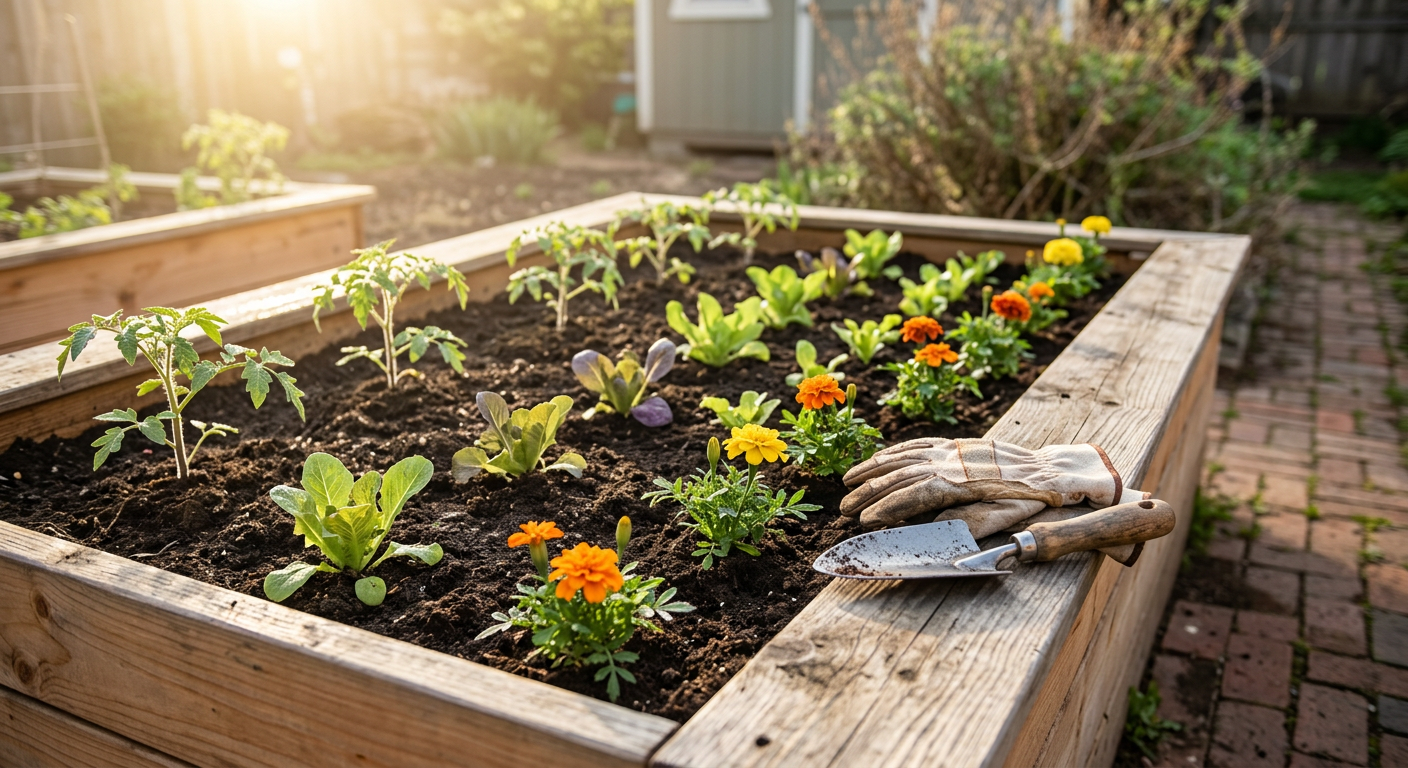
Everything you need to know to plant your first bed with confidence, no experience required.
Starting your first garden is exciting, but it’s easy to feel overwhelmed by all the advice out there. The good news? Gardening rewards patience more than perfection, and almost any mistake can be fixed next season. Here are ten simple tips to help you get your first garden off to a strong start.
1. Start Small
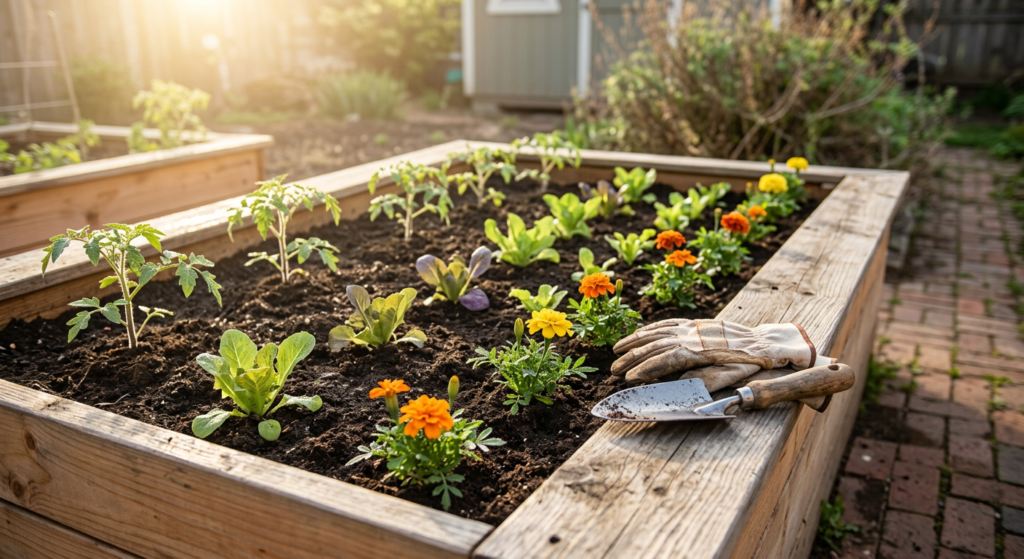
The most common beginner mistake is planting too much, too soon. A small, well-tended garden bed beats a sprawling one full of weeds and neglected plants. Start with a 4×4 foot bed or a few containers, and expand once you’ve got a season of experience under your belt.
2. Know Your Sunlight
Before you plant anything, spend a day watching how sunlight moves across your yard. Most vegetables and flowering plants need at least 6 hours of direct sun. Shadier spots are still useful, though; leafy greens, herbs like mint, and many shade-tolerant perennials will thrive there.
3. Test and Improve Your Soil
Healthy plants start with healthy soil. A basic soil test (available cheaply at most garden centers) tells you your soil’s pH and nutrient levels. Most garden plants prefer slightly acidic to neutral soil. Adding compost is almost always a safe way to improve structure and fertility, no matter what your test results show.
4. Choose Beginner-Friendly Plants
Some plants are far more forgiving than others. For vegetables, try tomatoes, zucchini, beans, and lettuce. For flowers, marigolds, zinnias, and sunflowers are nearly foolproof. Save the fussier plants for once you’ve built up some confidence.
5. Water Deeply, Not Often
A common instinct is to water a little bit every day, but this encourages shallow roots and weaker plants. Instead, water deeply once or twice a week (more during heat waves), letting the soil dry out slightly between waterings. This encourages roots to grow deeper and makes plants more resilient.
6. Mulch Everything
A two- to three-inch layer of mulch (straw, wood chips, or shredded leaves) around your plants keeps soil moist, suppresses weeds, and regulates soil temperature. It’s one of the lowest-effort, highest-impact things you can do in a garden.
7. Learn to Recognize (and Tolerate) Some Pests
Not every insect is a threat. Ladybugs, bees, and many beetles are beneficial. Before reaching for a pesticide, identify what you’re looking at and consider whether it’s actually causing damage. Handpicking pests or using a strong spray of water handles many minor problems without chemicals.
8. Keep a Simple Garden Journal
Jot down what you planted, when, and how it turned out. Even a few notes in a notebook or phone app will help you make better decisions next season, from adjusting planting dates to remembering which varieties did best.
9. Expect (and Accept) Failure
Some plants won’t make it, and that’s normal even for experienced gardeners. Weather, pests, and simple bad luck all play a role. Treat every failed plant as information rather than a personal shortcoming.
10. Enjoy the Process
Gardening is as much about the process as the harvest. Take time to notice the small changes each day, the first sprout, the first bloom, the first ripe tomato. That sense of connection to something growing is, for many gardeners, the real reward.
Final Thoughts
Your first garden doesn’t need to be perfect. Start small, pay attention to sunlight and soil, choose forgiving plants, and give yourself room to learn. Every experienced gardener started exactly where you are now.
-
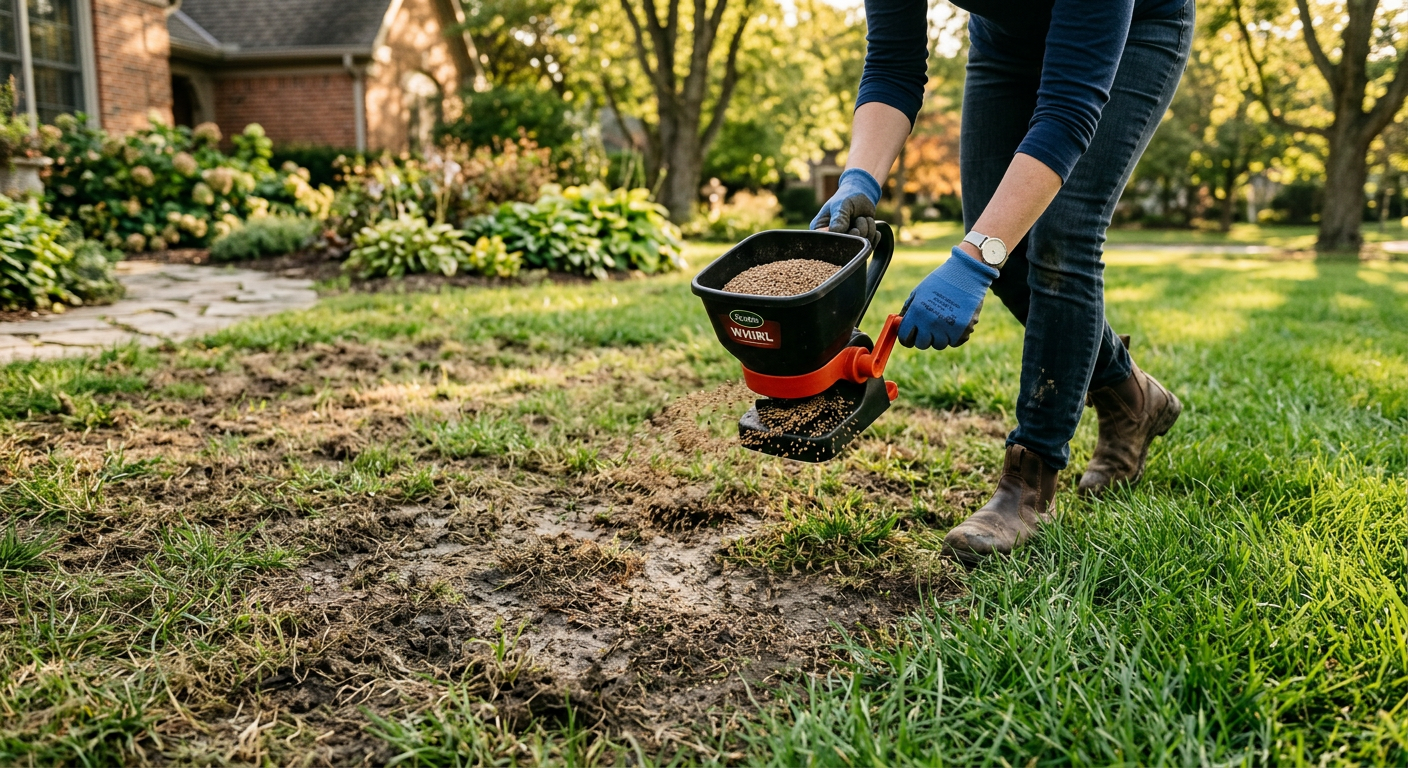
5 Signs Your Lawn Needs Overseeding (and How to Do It)
A thinning, patchy lawn isn’t a lost cause, overseeding is often all it takes to…
-
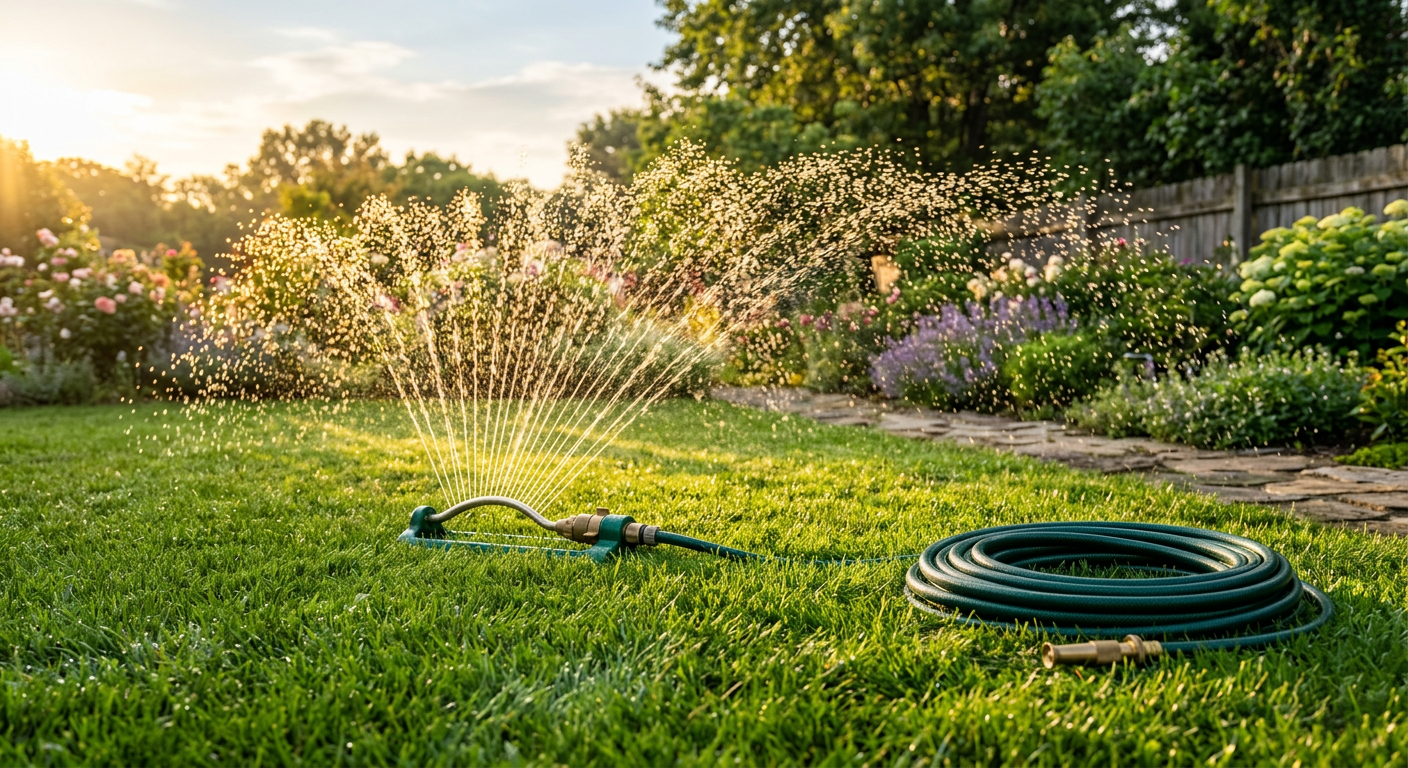
How Often Should You Really Water Your Lawn? A Season-by-Season Guide
The difference between a lush lawn and a stressed, patchy one often comes down to…
-
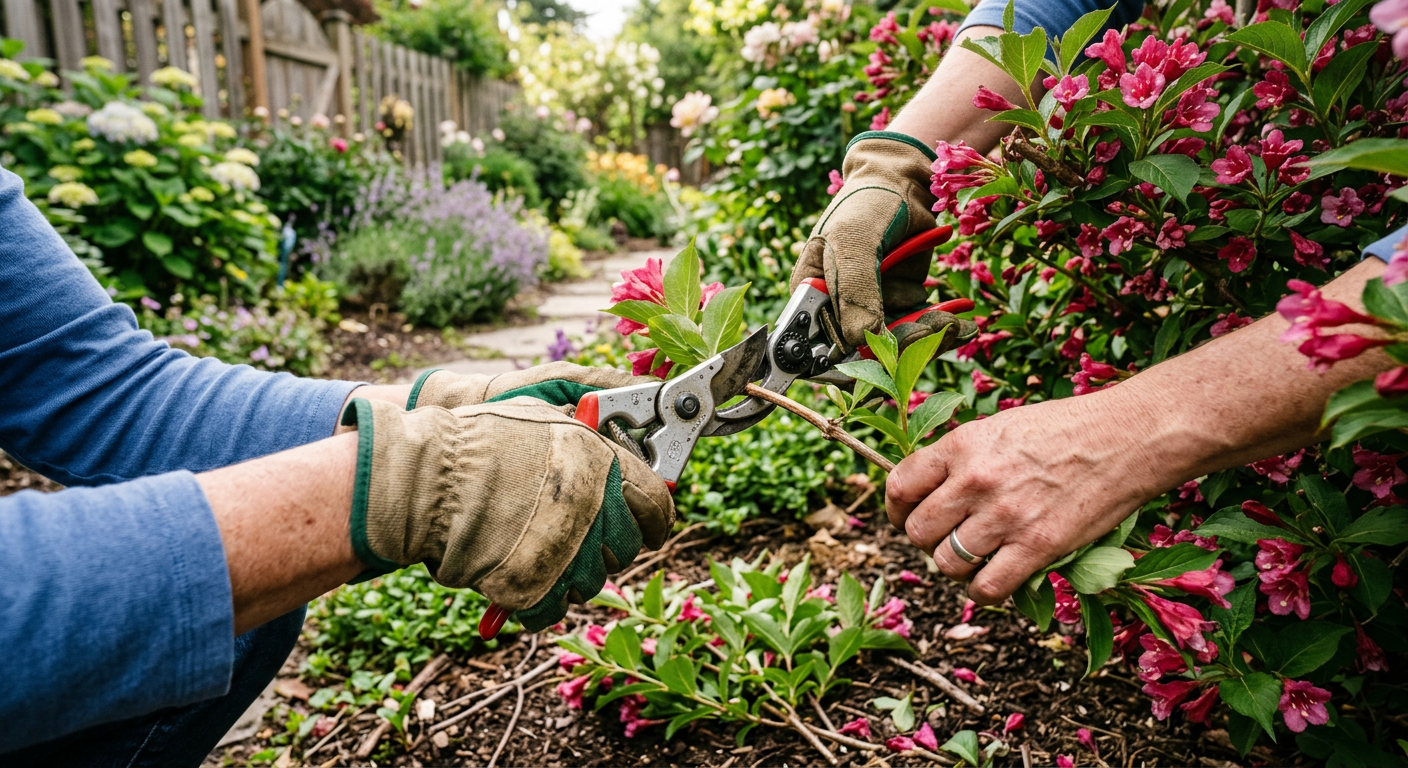
A Beginner’s Guide to Pruning: When and How to Cut Without Killing Your Plants
Pruning looks intimidating until you understand the basic rules, then it becomes one of the…

Leave a Reply