
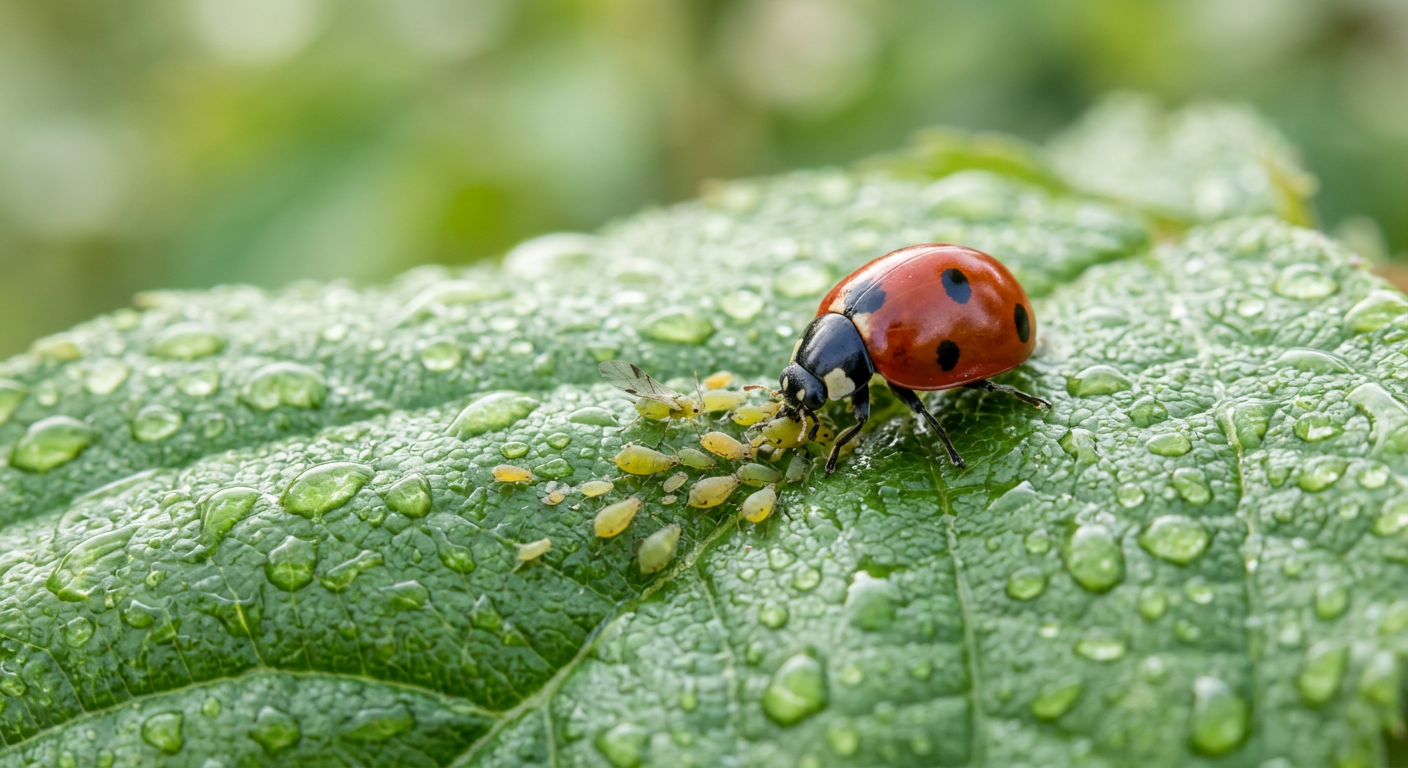
Protect your plants naturally by learning what’s actually eating them, and how to fight back without reaching for a spray bottle.
Finding chewed leaves or sticky residue on your plants can be discouraging, but reaching for a chemical pesticide isn’t always necessary, and it isn’t always the best solution. Many common garden pests can be controlled effectively with simple, natural methods that protect beneficial insects, pollinators, and your own health at the same time. The key is correctly identifying the culprit first, since the right treatment depends entirely on what you’re dealing with.
1. Aphids
How to spot them: Aphids are tiny, pear-shaped insects, usually green, black, or yellow, that cluster on new growth, stems, and the undersides of leaves. Look for curled or yellowing leaves and a sticky residue called honeydew, which aphids excrete as they feed.
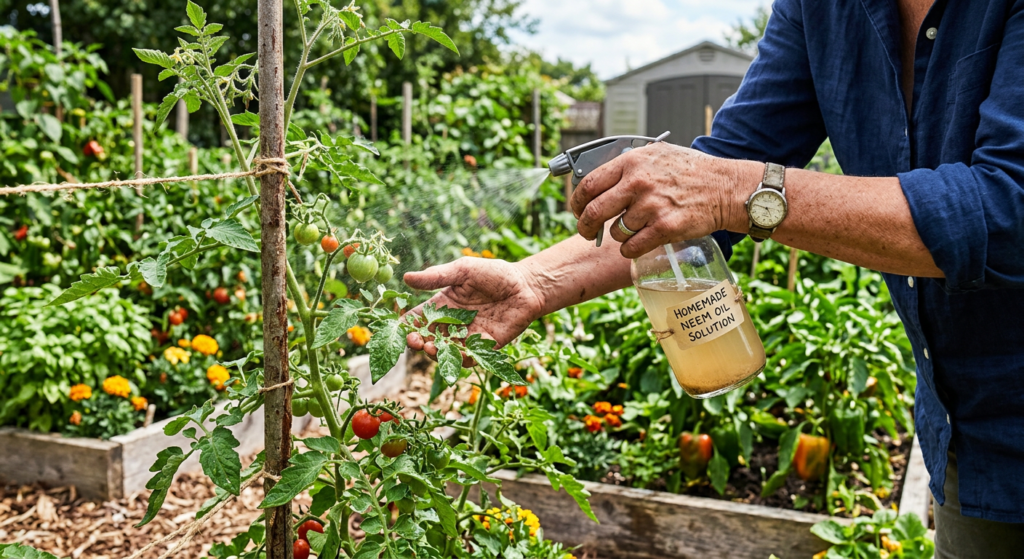
Natural treatment: A strong blast of water from a hose can knock aphids off plants and disrupt their feeding. For larger infestations, mix a few drops of mild dish soap with water in a spray bottle and apply directly to affected areas every few days. Ladybugs and lacewings are natural aphid predators, so avoid broad-spectrum treatments that would kill them along with the aphids.
2. Slugs and Snails
How to spot them: These pests leave ragged holes in leaves and telltale silvery slime trails, usually most active at night or after rain. Hostas, lettuce, and seedlings are frequent targets.
Natural treatment: Handpicking at dusk or after watering is surprisingly effective, especially for small gardens. Crushed eggshells or diatomaceous earth sprinkled around vulnerable plants create a rough barrier that slugs and snails avoid crossing. A shallow dish of beer sunk into the soil also works as a simple trap, luring and drowning them overnight.
3. Japanese Beetles
How to spot them: These metallic green and copper beetles feed in groups, skeletonizing leaves by eating the tissue between veins. They’re most active during the day in mid-to-late summer.
Natural treatment: Handpicking beetles into a bucket of soapy water each morning, while their movement is still sluggish from the cool night, can significantly reduce populations over a season. Avoid beetle traps that use pheromone lures, since these often attract more beetles to your yard than they actually catch. Row covers can protect especially vulnerable plants during peak beetle season.
4. Spider Mites
How to spot them: Spider mites are nearly invisible to the naked eye, but their damage isn’t: look for fine speckling or a bronze, stippled look on leaves, along with delicate webbing on the undersides of leaves and between stems in heavier infestations. They thrive in hot, dry conditions.
Natural treatment: Because spider mites prefer dry environments, regularly misting affected plants can help slow their spread. A insecticidal soap spray, applied thoroughly to the undersides of leaves where mites congregate, is effective and low-impact. Predatory mites, available from some garden suppliers, are a strong biological control option for serious infestations.
5. Tomato Hornworms
How to spot them: These large, green caterpillars can strip a tomato plant of leaves remarkably fast. Look for dark green or black droppings on leaves below the damage, which are often easier to spot than the well-camouflaged caterpillar itself.
Natural treatment: Handpicking is the most reliable method, checking plants in the early morning or evening when hornworms are easier to see. If you find a hornworm covered in small white cocoons, leave it in place: those are the pupae of parasitic wasps that are actively killing the hornworm and will go on to control future generations.
General Principles for Chemical-Free Pest Control
Inspect regularly. Catching an infestation early, while it’s still small, makes handpicking and spot treatments far more effective than waiting until the damage is widespread.
Encourage natural predators. Ladybugs, lacewings, parasitic wasps, and birds all help keep pest populations in check. Planting flowers like dill, fennel, and yarrow attracts these beneficial insects to your garden.
Keep plants healthy. Stressed, weak plants are far more vulnerable to pest damage than healthy, well-watered, well-fed ones. Good soil and consistent care are, in many ways, the best pest prevention strategy available.
Rotate crops each season. Many pests overwinter in the soil near their favorite host plants. Moving vegetable families to different spots each year disrupts their life cycle and reduces recurring infestations.
Final Thoughts
Chemical-free pest control takes a bit more observation and hands-on effort than reaching for a spray, but it protects the pollinators, beneficial insects, and soil health that your garden depends on in the long run. Start by identifying exactly what’s damaging your plants, then match the treatment to the pest, and you’ll find that most infestations are manageable without a single synthetic chemical.
-
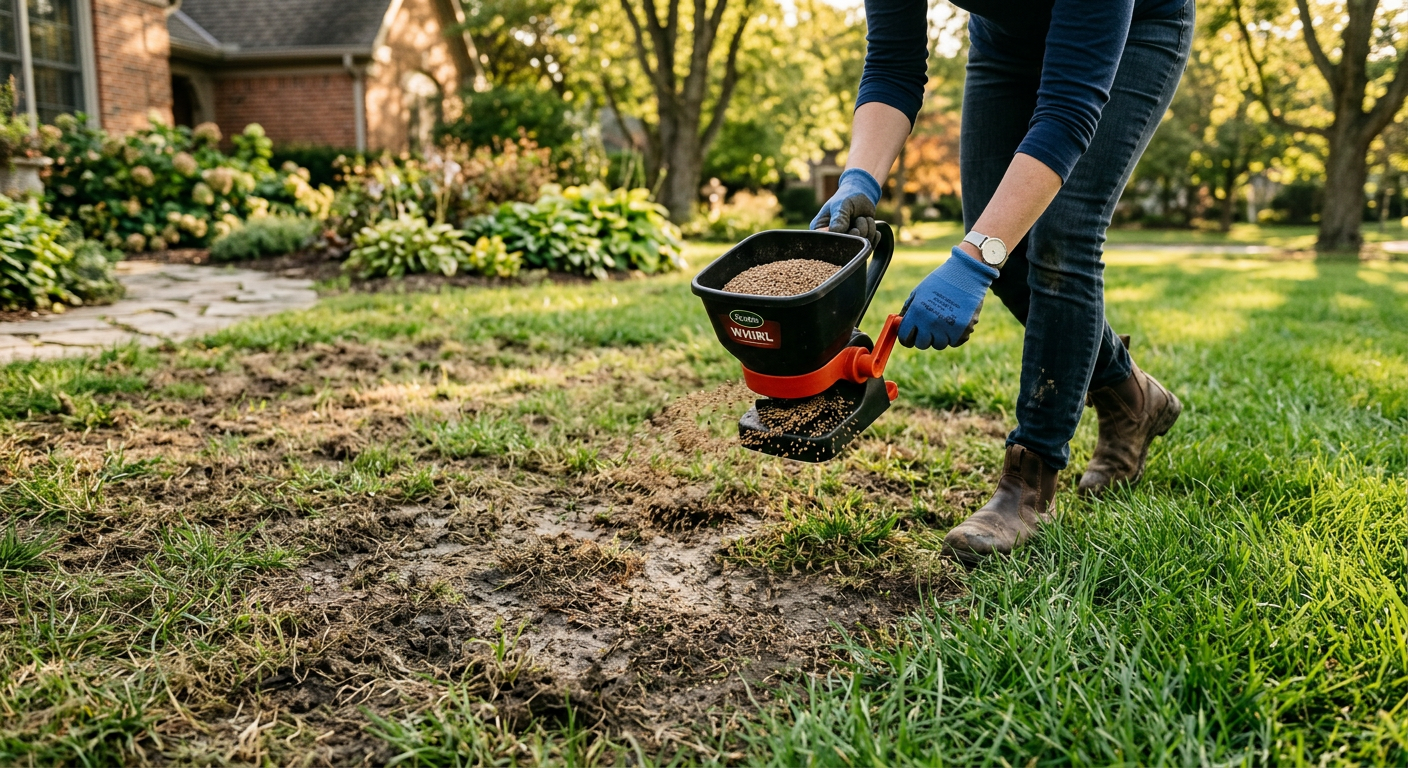
5 Signs Your Lawn Needs Overseeding (and How to Do It)
A thinning, patchy lawn isn’t a lost cause, overseeding is often all it takes to…
-
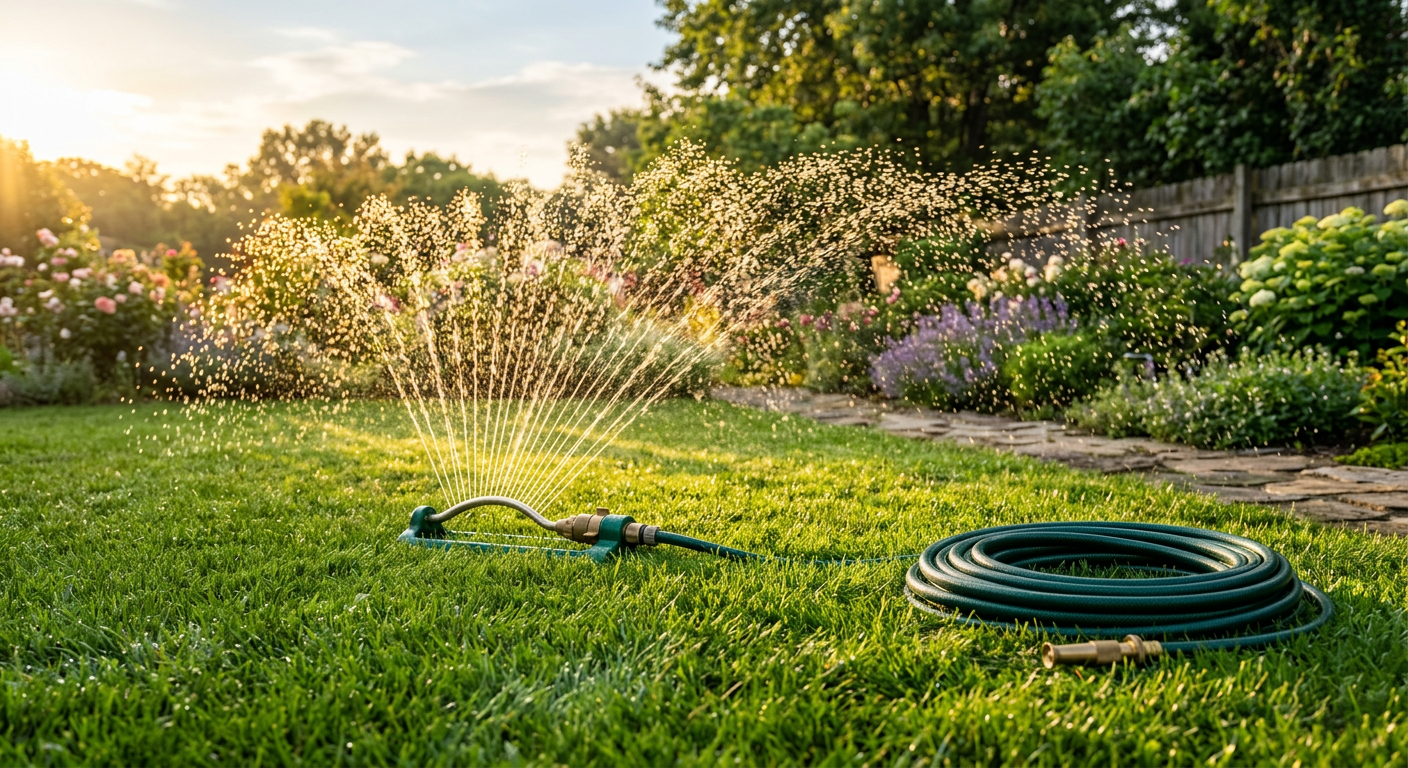
How Often Should You Really Water Your Lawn? A Season-by-Season Guide
The difference between a lush lawn and a stressed, patchy one often comes down to…
-
A Beginner’s Guide to Pruning: When and How to Cut Without Killing Your Plants
Pruning looks intimidating until you understand the basic rules, then it becomes one of the…

Leave a Reply