
Grow real food on a balcony, patio, or tiny yard with the right plants and a little planning.
You don’t need acres of land, or even a backyard, to grow your own food. A balcony, patio, sunny windowsill, or narrow side yard can produce a surprising amount of fresh vegetables if you plan around your space instead of against it. Here’s how to make the most of a small footprint.
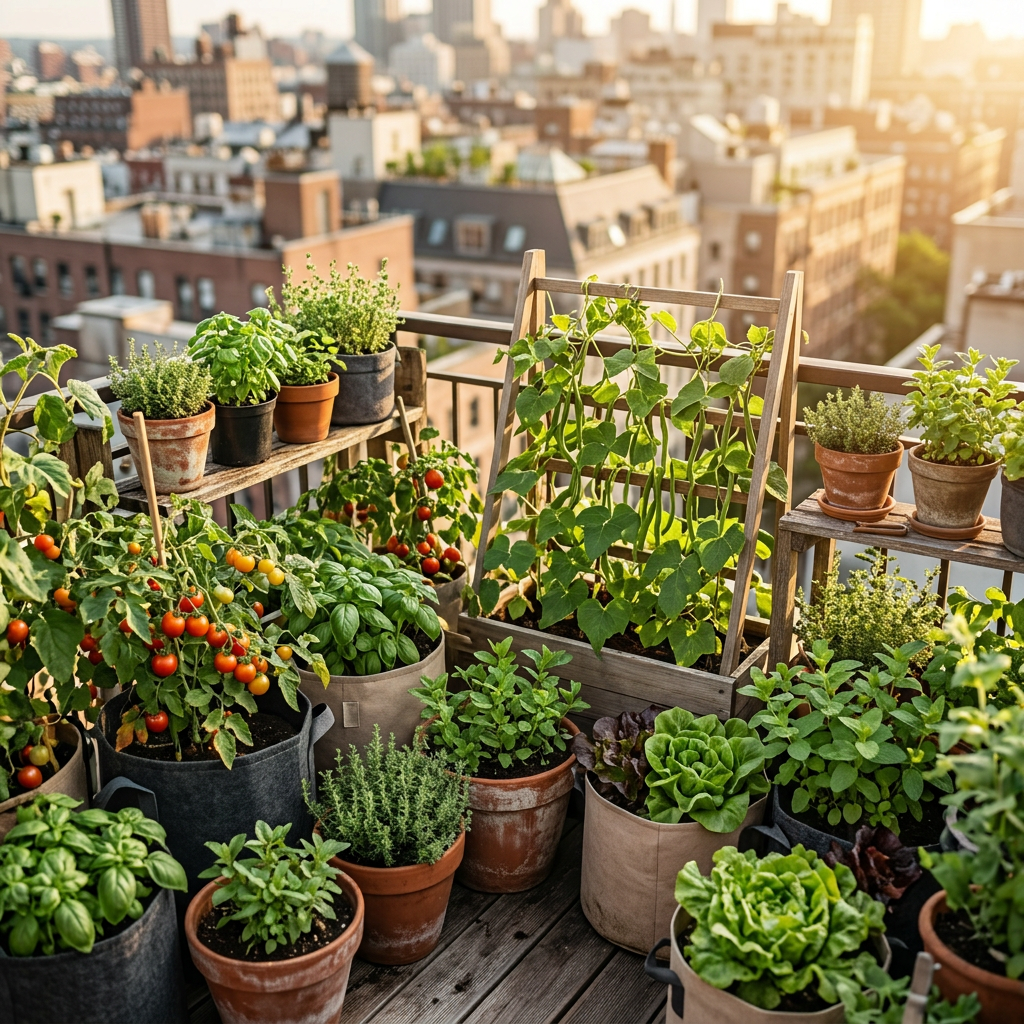
1. Audit Your Space First
Before buying a single seed, figure out how much direct sunlight your space gets. Fruiting vegetables like tomatoes and peppers need 6-8 hours of sun; leafy greens and herbs can get by on 4-6 hours. Map out your sunniest spots and plan your most sun-hungry plants there.
2. Think Vertically
Small spaces reward vertical thinking. Trellises, cages, and stakes let vining plants like cucumbers, pole beans, and even some squash varieties grow up instead of out. A single trellis can free up several square feet of ground space while producing just as much food.
3. Choose Compact and Container-Friendly Varieties
Seed catalogs and nurseries now sell many varieties bred specifically for small spaces and containers: patio tomatoes, bush cucumbers, dwarf peppers, and mini lettuces. Look for words like “bush,” “patio,” “dwarf,” or “compact” on seed packets and plant tags.
4. Get the Container Size Right
Undersized containers are the number one reason small-space vegetables struggle. As a rough guide: leafy greens and herbs need at least 6-8 inches of soil depth, while tomatoes, peppers, and eggplants need a container of 5 gallons or more per plant. Bigger containers also hold moisture longer, meaning less watering.
5. Use Good Potting Mix, Not Garden Soil
Container plants need a lightweight, well-draining potting mix rather than soil dug from the ground, which compacts and drains poorly in pots. Mix in some compost or a slow-release organic fertilizer at planting time to give your vegetables a strong nutritional start.
6. Practice Succession Planting
In a small space, every square foot matters. As soon as one crop finishes (say, a spring lettuce), replant that spot with something else suited to the season, like bush beans or a fall round of spinach. This keeps your space productive all year instead of sitting empty after an early harvest.
7. Combine Plants Wisely
Companion planting works well in tight quarters. Basil planted near tomatoes, for example, is a classic pairing that some gardeners believe improves flavor and helps deter pests, while making efficient use of shared space. Just avoid crowding plants so tightly that airflow is restricted, which can invite disease.
8. Water Consistently
Containers and small raised beds dry out faster than in-ground gardens, especially in hot weather. Check soil moisture daily during summer by feeling an inch below the surface, and consider a simple drip irrigation kit or self-watering containers if you’re often away from home.
9. Don’t Forget Herbs
Herbs are some of the most rewarding small-space plants: they take up little room, many thrive in partial shade, and a single pot of basil, parsley, or chives can supply a household’s kitchen needs all season.
Final Thoughts
A small-space vegetable garden isn’t a compromise, it’s simply a different kind of garden, one that rewards smart planning over sheer square footage. Start with a few containers, get the sunlight and soil right, and you’ll be harvesting your own vegetables before you know it.
-
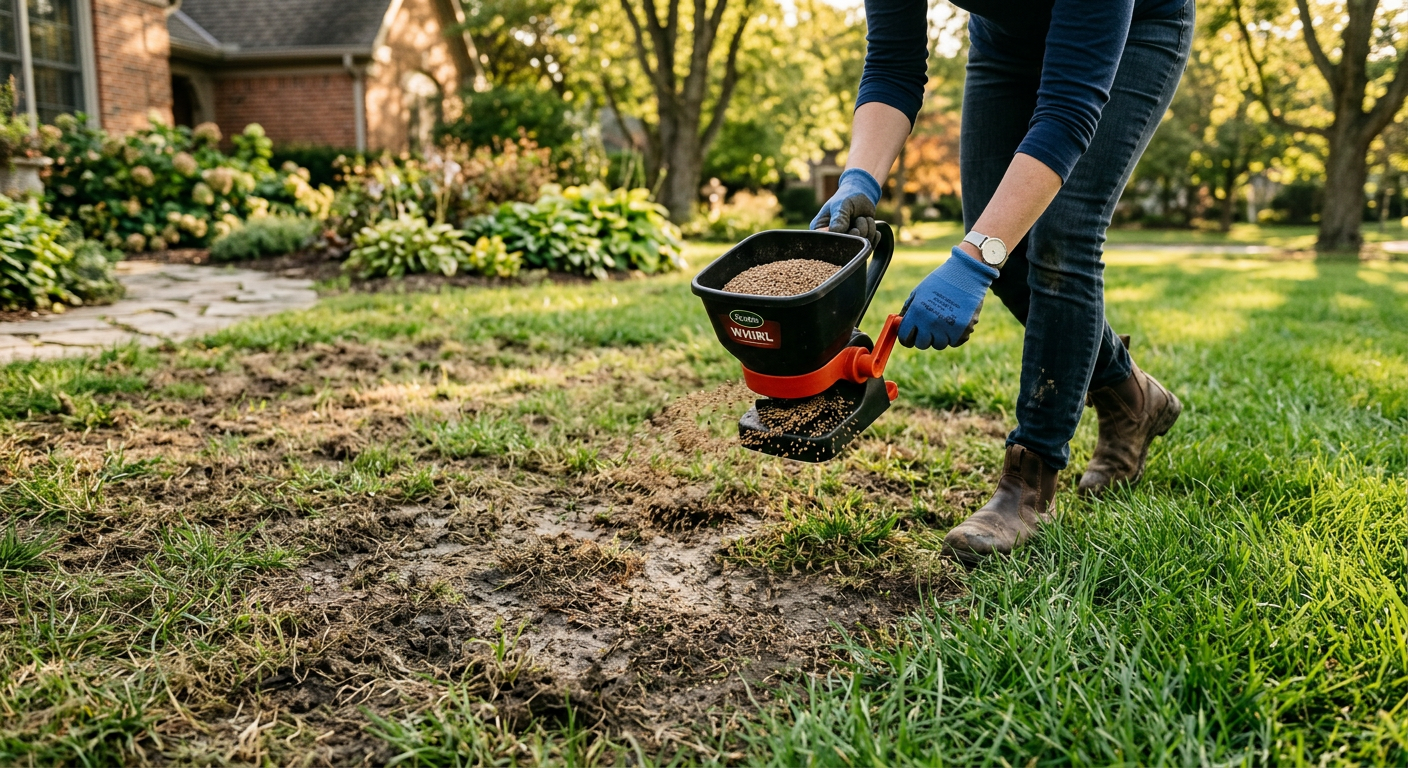
5 Signs Your Lawn Needs Overseeding (and How to Do It)
A thinning, patchy lawn isn’t a lost cause, overseeding is often all it takes to…
-
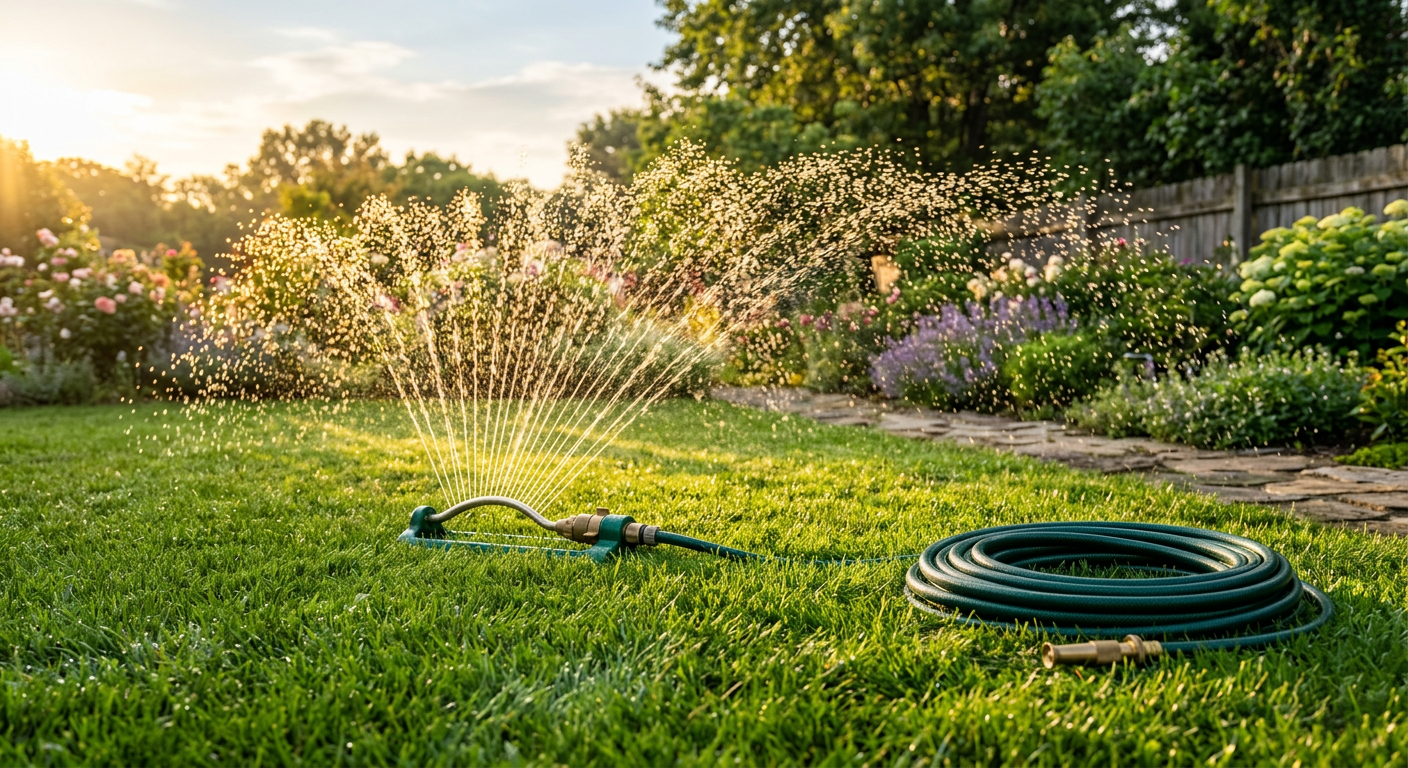
How Often Should You Really Water Your Lawn? A Season-by-Season Guide
The difference between a lush lawn and a stressed, patchy one often comes down to…
-
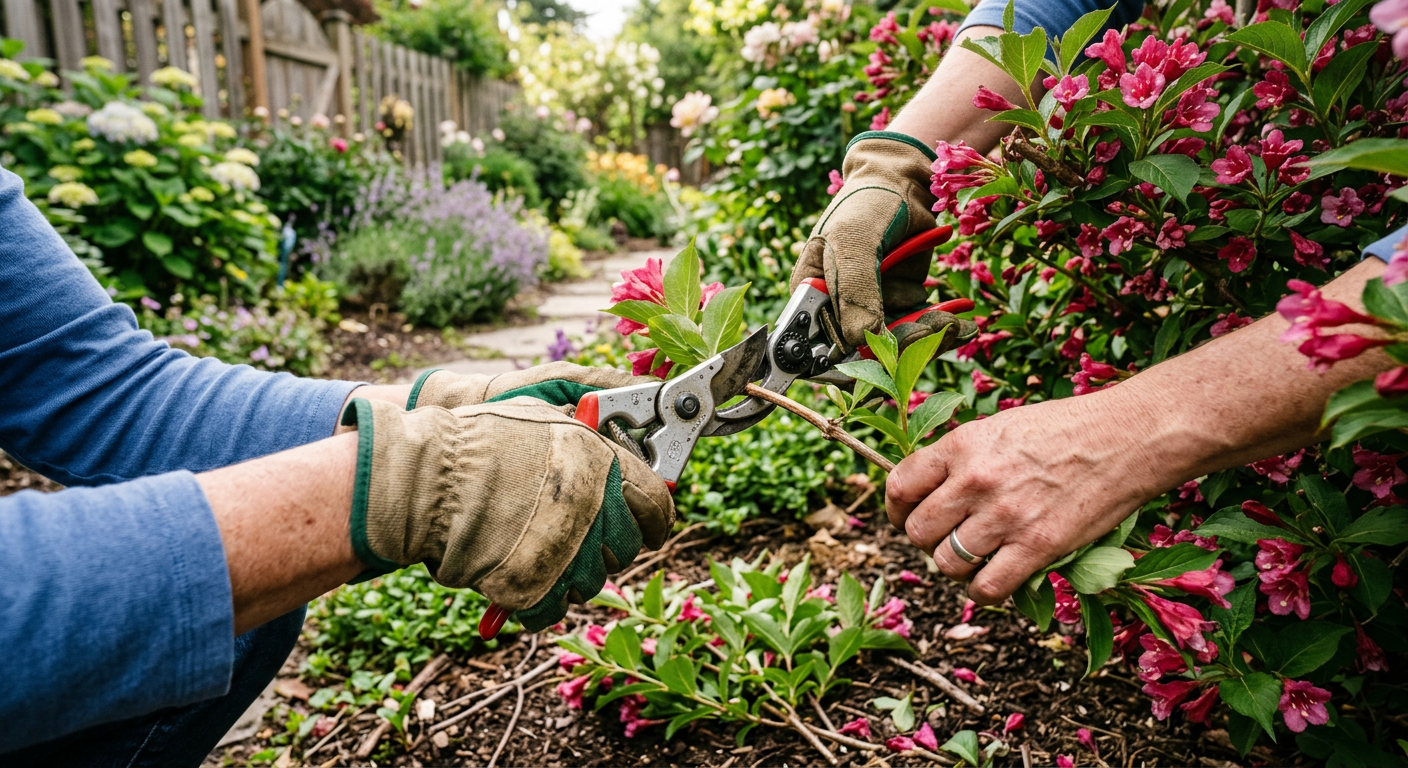
A Beginner’s Guide to Pruning: When and How to Cut Without Killing Your Plants
Pruning looks intimidating until you understand the basic rules, then it becomes one of the…

Leave a Reply